Benefits
As integral as wildlife is to biodiversity, so too are the habitats they call home. Ensuring the conservation and protection of these habitats is central to our battle against climate change and the biodiversity crisis. By preserving wild habitats, we not only guarantee a space for wildlife to thrive but also safeguard crucial ecological services these habitats provide. Ecosystem protection, through the establishment of protected areas, including terrestrial and marine reserves, and wildlife corridors, is essential for safeguarding this capacity. These zones encompass mangroves, coral reefs, kelp forests, seagrasses, forests, wetlands, grasslands, and other critical habitats that act as significant carbon sinks, absorbing large amounts of CO2 from the atmosphere. By preventing deforestation, habitat destruction, overfishing, and ecosystem fragmentation, protected areas ensure that carbon stored in vegetation, trees, soil, and marine sediments remains sequestered. Furthermore, wildlife corridors enable species to migrate and thrive, maintaining ecological balance and enhancing vegetation growth, which further aids in the carbon absorption of these ecosystems.
Measures
Increase the extent of protected terrestrial and marine areas to preserve critical habitats and biodiversity hotspots and enhance their resilience to climate change and their carbon sequestration and storage. Prioritise the conservation of both highly biodiverse and vulnerable ecosystems at risk of collapse due to threats such as climate change. Designating MPAs to protect blue carbon habitats, such as mangroves and kelp forests, is highly effective at sequestering carbon dioxide (CO2). These would also be invaluable strategies for delivering on the biodiversity goals agreed upon in the Kunming-Montreal Global Biodiversity Framework (GBF), including the goal of protecting 30% of land and water by 2030.
Implement effective management practices, including enforcement of anti-poaching laws, habitat restoration, and sustainable and responsible ecotourism, while prohibiting environmentally harmful activities. These areas should receive the highest protection possible and should not allow activities that are deleterious to wildlife or mobilise stored carbon, such as bottom trawling, or deforestation. This measure supports GBF Target 4, which aims to halt species extinction and ensure species recovery and conservation efforts.
Develop and maintain wildlife corridors to ensure that wildlife, particularly highly mobile species, remain resilient to environmental change and can coexist with human infrastructure. Follow the principles of ‘bigger, better, more and connected’ to create habitats that are integrated into the wider landscape, ensuring environmental and genetic resilience. Ecosystems with high ecological integrity have better structural and functional connectivity and greater resilience to disturbance, including climate impacts.
Examples
Established by law in 2015 and fully enforceable since 2020, the Palau National Marine Sanctuary covers approximately 475 thousand square kilometres, making it one of the largest marine protected areas in the world. The sanctuary prohibits all extractive activities, such as fishing and mining, across 80% of Palau’s waters, while the remaining 20% is designated as a domestic fishing zone for local artisanal fishing. The sanctuary is designed to preserve Palau’s rich marine biodiversity, which includes over 1,300 species of fish. It is a critical habitat for endangered species like the hawksbill and the green sea turtles. The protected area is also crucial for safeguarding the giant clam populations and a diversity of reef fish essential for maintaining coral reef health. These ecosystems provide vital services like carbon sequestration, storm protection, and sustaining local fisheries.
The sanctuary uses satellite surveillance, patrols by Palau’s Division of Marine Law Enforcement, and international partnerships to monitor and protect the area. Furthermore, community engagement and educational campaigns help ensure local understanding, compliance, and support for the sanctuary’s conservation goals. The protection of key species, such as turtles and sharks, contributes to maintaining the ecological balance and resilience of the marine environment, which in turn supports global climate goals by preserving natural carbon sinks.
This example demonstrates how extensive marine protection can serve as a powerful tool for maintaining carbon sequestration capacity, safeguarding biodiversity, and supporting climate adaptation and resilience. Read more here and here.
Costa Rica’s approach to protected areas demonstrates the benefits of these for climate change mitigation. By reversing deforestation trends and increasing forest cover from 40% in 1987 to nearly 60% today, Costa Rica has enhanced its carbon sequestration capacity, significantly contributing to global climate goals. Protected Public Wildlife areas have been the key to the deforestation reversal. Their implementation has been aided by the country’s Payment for Environmental Services program, which provides incentives to farmers or landowners for forest conservation and carbon stock enhancement through reforestation, tree plantations, agroforestry, and silvopastoral systems. For more information, see the World Bank report and the Climate Chance case study.
Marine Protected Areas (MPAs) are nature-based solutions which can play an important role in climate mitigation and adaptation, in particular through the role of “blue carbon” or the carbon that is taken up and stored in coastal and marine ecosystems. MPAs support blue carbon by protecting habitats, ensuring healthy ecosystems and food webs and their role in carbon storage, decreasing impacts on marine floors which can release their stored carbon, and addressing pollution and other issues which affect the ecosystem’s ability to store carbon. Many countries have created MPAs, yet key considerations centre on the connectivity between MPAs, particularly in the case of transboundary ecosystems. The International Partnership on MPAs, Biodiversity and Climate Change provides case studies on MPAs’ role in supporting blue carbon in the Greater Farallones and Waquoit Bay. Further experiences in the Philippines and collaboration between the US and Mexican government to establish MPAs in the Southern California Bight region provide key principles to support partnerships that can increase connectivity and success of MPAs.
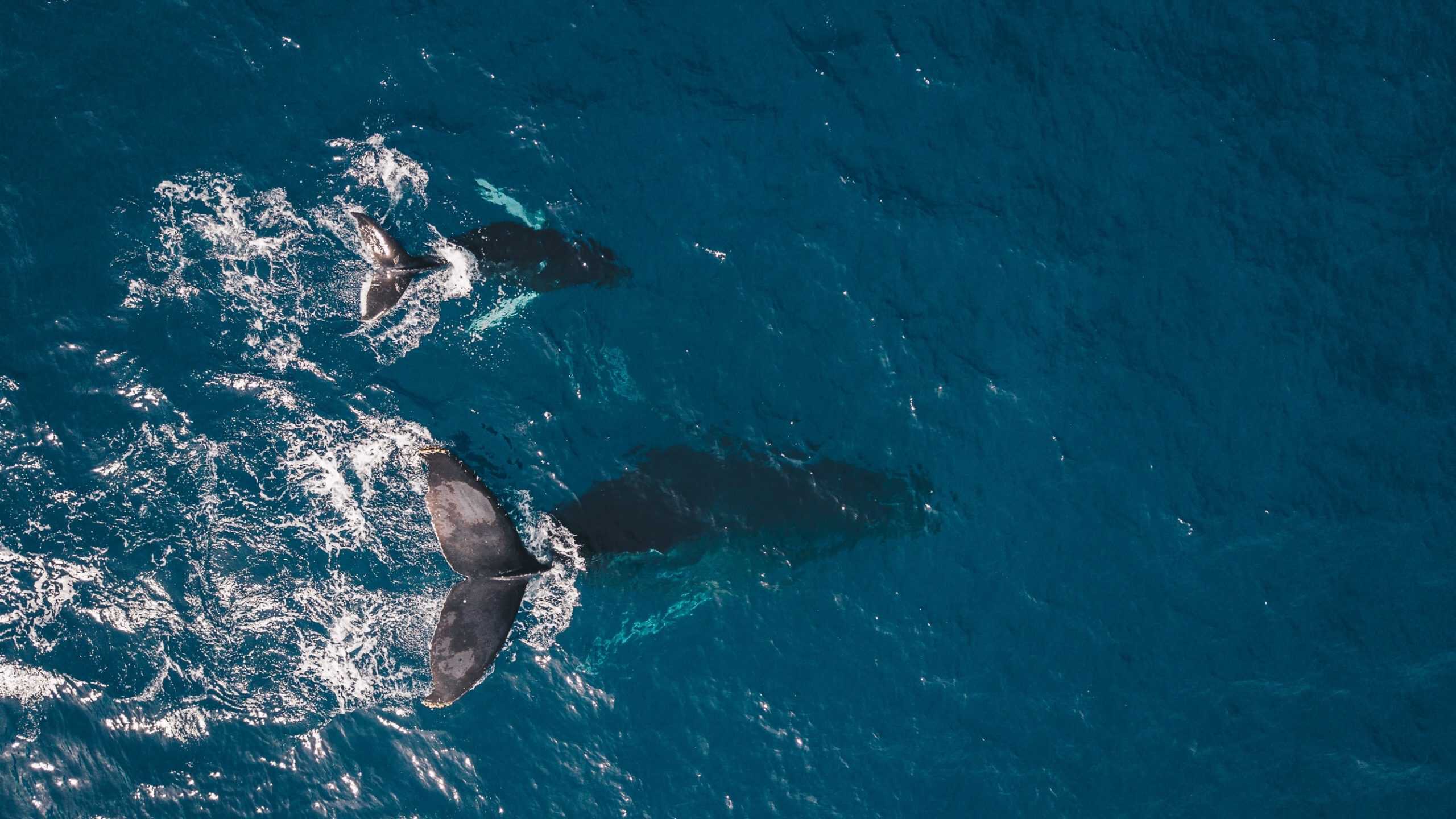
An exemplary measure aligned with global ecosystem protection efforts is the recently adopted UN High Seas Treaty. This landmark agreement focuses on conserving nearly two-thirds of the world’s oceans–areas beyond national jurisdictions that are rich in biodiversity and play a vital role in global climate regulation. The High Seas Treaty will be able to establish Marine Protected Areas, which will provide sanctuaries for marine life, allowing species like whales, sharks, and mesopelagic fish to recover and thrive. By signing and importantly, ratifying this Treaty, countries can collectively contribute to safeguarding these vital ecosystems, enhance the ocean’s natural carbon sequestration capacities, and mitigate the adverse effects of climate change. As of September 2024, over 90 countries have signed the treaty, but only eight have ratified it. It requires sixty ratifications to come into law.
The Maldives, an archipelago of nearly 1,200 coral islands, exemplifies the benefits of expanding and effectively managing protected marine areas. In 2010, the Maldives declared its entire Exclusive Economic Zone a shark sanctuary in response to declining shark populations and a drop in dive tourism caused by overfishing. This designation expanded the protected marine areas and prohibited harmful practices, like shark fishing, which has significantly contributed to the conservation of marine biodiversity. The sanctuary has also enhanced the country’s climate resilience by maintaining healthy marine ecosystems that support carbon sequestration. By 2023, the Maldives welcomed a record 1.9 million tourists, with the thriving shark populations being a key attraction, demonstrating how effective marine management can deliver economic benefits while conserving critical habitats and species.
In Bhutan, 52% of its land has been designated as protected, the highest proportion in Asia. This network of national parks, wildlife sanctuaries, and biological corridors preserves a wide range of ecosystems, from lowland tropical forests to high-altitude environments, supporting over 200 mammal species, including 27 globally threatened species like the tiger and snow leopard, and 760 bird species, such as the critically endangered white-bellied heron. The recent addition of the BC-9 biological corridor enhances ecological connectivity, allowing free movement for wildlife across protected areas, which is crucial for species like the clouded leopard. With forests covering 70% of the country, Bhutan sequesters more than six million tons of CO2 annually—four times the nation’s emissions— contributing to its status as a carbon-negative country. Initiatives like “Bhutan for Life” further integrate conservation with sustainable livelihoods, promoting eco-tourism, sustainable agriculture, and community-based forest management, which enhance environmental protection while supporting the socio-economic well-being of local communities.
The Integrated Central Forest Spine (IC-CFS) program in Malaysia exemplifies strategies for expanding and managing protected areas to maintain and enhance biodiversity and ecosystem resilience. The program successfully gazetted 23,734.63 hectares of critical forest areas within the Central Forest Spine, including 18,866.63 hectares in Perak and 4,868.63 hectares in Pahang, which are essential for protecting endangered species such as the Malayan tiger. To connect fragmented ecosystems and allow safe wildlife movement, the project established 37 ecological corridors across Peninsular Malaysia. Additionally, the program implemented over 200 initiatives to enhance conservation efforts, integrating sustainable land use practices and engaging local communities in wildlife monitoring and enforcement programs. This holistic approach strengthened institutional capacities and improved the overall connectivity and health of Malaysia’s forest ecosystems. Read more.